
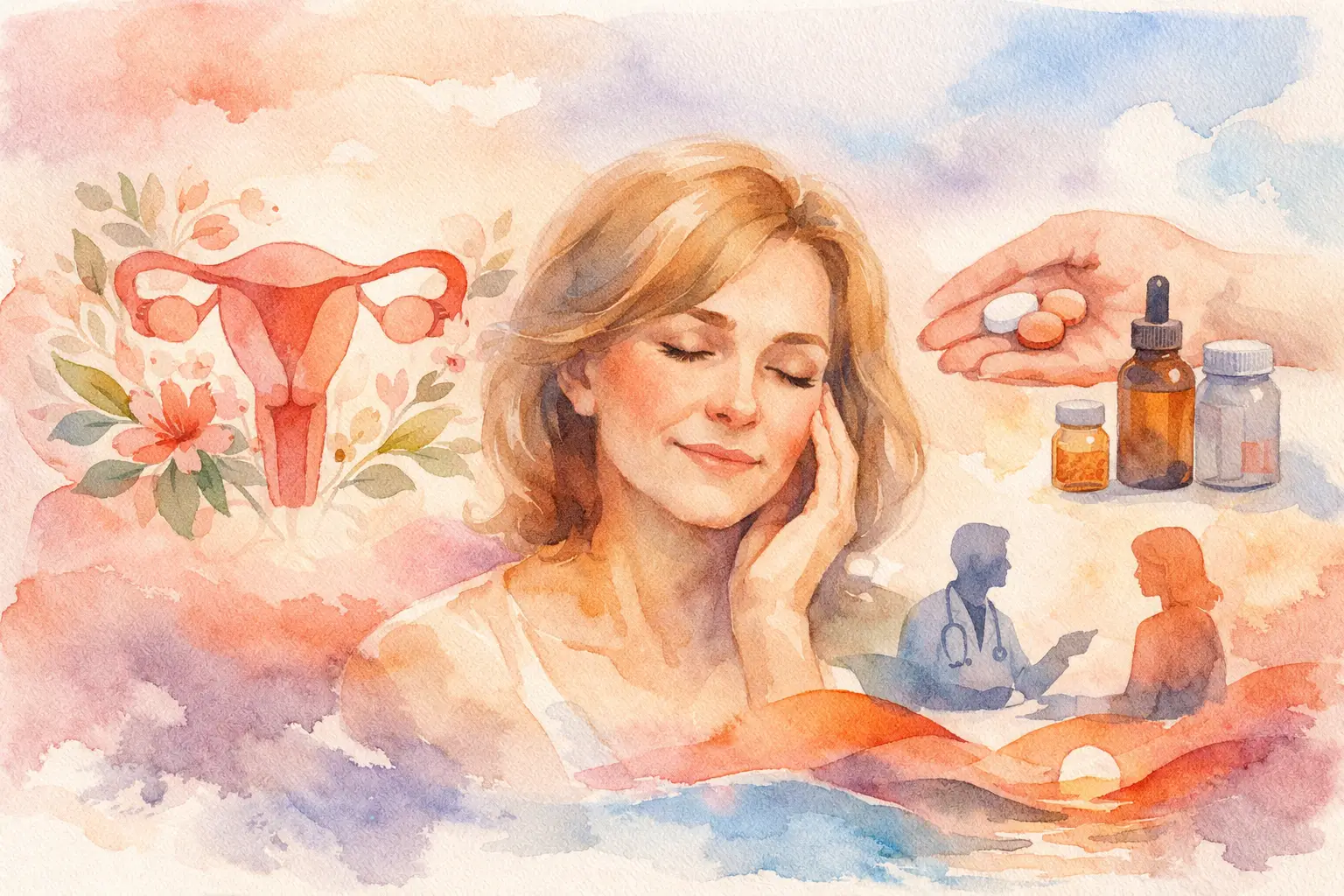
How Menopause Treatment Works in Practice
A hot flush that wakes you at 3am, low mood that feels out of character, or joint pain that makes an ordinary walk less comfortable can all affect daily life. Understanding how menopause treatment works can make the next step feel far more manageable. Treatment is not about simply putting up with symptoms or giving every patient the same prescription. It is about listening carefully, checking what else may be contributing, and choosing support that fits your health, symptoms and priorities.
How menopause treatment works for different symptoms
Menopause is a natural stage of life, usually diagnosed after 12 months without a period. Perimenopause is the transition before this point, when hormone levels fluctuate and symptoms may begin while periods are still happening. Symptoms can last for several years and vary widely between individuals.
Falling and fluctuating oestrogen levels are behind many common symptoms, including hot flushes, night sweats, vaginal dryness, disrupted sleep, changes in mood, brain fog, palpitations and aching joints. Some people experience only a few mild symptoms. Others find that work, relationships, sleep and confidence are significantly affected.
Menopause treatment aims to reduce symptoms and protect longer-term health where appropriate. The right plan depends on what is troubling you most, whether you still have a womb, your medical history, current medicines and your personal preferences. A good consultation should leave room for questions, including whether treatment is needed at all and what alternatives are available.
The consultation: looking at the whole picture
A menopause appointment normally starts with a detailed conversation. Your clinician will ask about your periods, symptoms, sleep, mood, medical history and family history. They will also discuss contraception, as pregnancy can still be possible during perimenopause.
For most people aged over 45 with typical symptoms, blood tests are not needed to diagnose perimenopause or menopause. Hormone levels naturally rise and fall, so a single test may not give a useful answer. Tests can, however, be appropriate if symptoms are unusual, menopause starts before age 45, periods have stopped unexpectedly, or another condition such as thyroid disease or iron deficiency needs to be ruled out.
This wider assessment matters. Poor sleep, anxiety, low mood, medication side effects and other health conditions can overlap with menopause symptoms. Taking the time to understand the pattern helps prevent assumptions and supports safer treatment choices.
Hormone replacement therapy explained
Hormone replacement therapy, usually known as HRT, replaces hormones that decline during menopause. Oestrogen is the main treatment for hot flushes, night sweats, sleep disturbance, vaginal symptoms and some joint and mood symptoms. It can also help prevent bone loss while it is being used.
Oestrogen comes in several forms. Tablets suit some people, while skin patches, gels and sprays are often preferred because they deliver oestrogen through the skin and may be a better option for people with certain risk factors. There is no universal ‘best’ form - the practical choice is the one that is safe, effective and easy for you to use consistently.
Why progesterone may be needed
If you have a womb, taking oestrogen alone can cause the lining of the womb to build up. A progestogen is therefore prescribed alongside it to protect that lining. This may be taken as tablets, combined with oestrogen in a patch, or supplied through a hormonal coil where suitable.
If you have had a total hysterectomy, oestrogen-only HRT may be appropriate. The details depend on the reason for surgery and your individual history, so this should always be discussed with a clinician rather than assumed.
Testosterone and local oestrogen
Testosterone may be considered for some women who continue to have low sexual desire after other menopause symptoms are addressed with HRT. It is not routinely the first answer to tiredness, weight change or low mood, and it needs appropriate monitoring.
Local vaginal oestrogen is another valuable option. It is used as a cream, pessary, tablet or ring to treat vaginal dryness, discomfort during sex, urinary urgency and recurrent urinary tract infections linked to menopause. Because it works mainly in the local area and uses a very low dose, it can often be used long term. It may be used alone or alongside systemic HRT.
When non-hormonal treatment is the better choice
HRT is effective for many people, but it is not suitable or preferred for everyone. Previous hormone-sensitive cancer, unexplained vaginal bleeding, certain clotting conditions, active liver disease or individual cardiovascular risks may affect whether HRT can be used and which form is safest. Specialist advice may be needed in more complex cases.
Non-hormonal medicines can sometimes help with hot flushes and night sweats. Cognitive behavioural therapy, or CBT, can also be useful for menopause-related insomnia, low mood and the distress that can accompany flushes. It does not mean symptoms are ‘all in the mind’; it provides practical ways to improve sleep, manage triggers and reduce their impact.
Lifestyle changes are not a replacement for medical treatment when symptoms are severe, but they can make a meaningful difference. Regular movement, particularly resistance and weight-bearing exercise, supports bone strength, mood and sleep. Reducing alcohol, stopping smoking and identifying personal triggers such as spicy food or warm bedrooms may reduce flushes for some people. Small, realistic changes tend to be more sustainable than an all-or-nothing plan.
Starting treatment and adjusting the dose
Once a treatment plan is agreed, it usually takes time to judge the result. Some people notice fewer flushes or better sleep within a few weeks, but it can take around three months for the full effect and for the body to settle into a new routine.
Side effects such as breast tenderness, bloating, headaches or spotting can occur when HRT begins. They often improve, but they should not simply be ignored. A clinician can adjust the dose, change the type of progestogen or recommend a different delivery method. Finding the most comfortable regimen can require a little patience.
Unexpected bleeding after starting HRT is common in the first few months, particularly during perimenopause. However, heavy bleeding, bleeding that continues beyond the expected adjustment period, or bleeding after sex should always be reviewed promptly. Any vaginal bleeding after menopause needs medical assessment.
Monitoring is part of good menopause care
Menopause treatment should be reviewed after starting or changing it, then at regular intervals. These appointments are a chance to discuss symptom improvement, side effects, blood pressure, ongoing contraception and whether the prescription still suits your needs.
There is no fixed age at which every person must stop HRT. For some, a shorter course is right; for others, continuing treatment after 60 may be reasonable following an individual discussion of benefits and risks. The decision should be reviewed each year, rather than made according to a one-size-fits-all rule.
It is also worth remembering that HRT is not contraception. If pregnancy is still possible, you will need suitable contraception until menopause is confirmed or until the age advised by your clinician.
Getting timely, personal support
Menopause symptoms are common, but that does not mean you should have to minimise them or wait until they become overwhelming. A clear conversation with a clinician can help you understand your options, whether that means HRT, local treatment, non-hormonal support or a combination.
At Dunmow Private Medical Clinic, menopause care is focused on giving you time to talk through what has changed and what you need from treatment. The aim is practical, personalised support that helps you feel heard and able to make an informed choice. If your symptoms are affecting your sleep, work, relationships or sense of self, asking for help is a positive first step.


Comments