
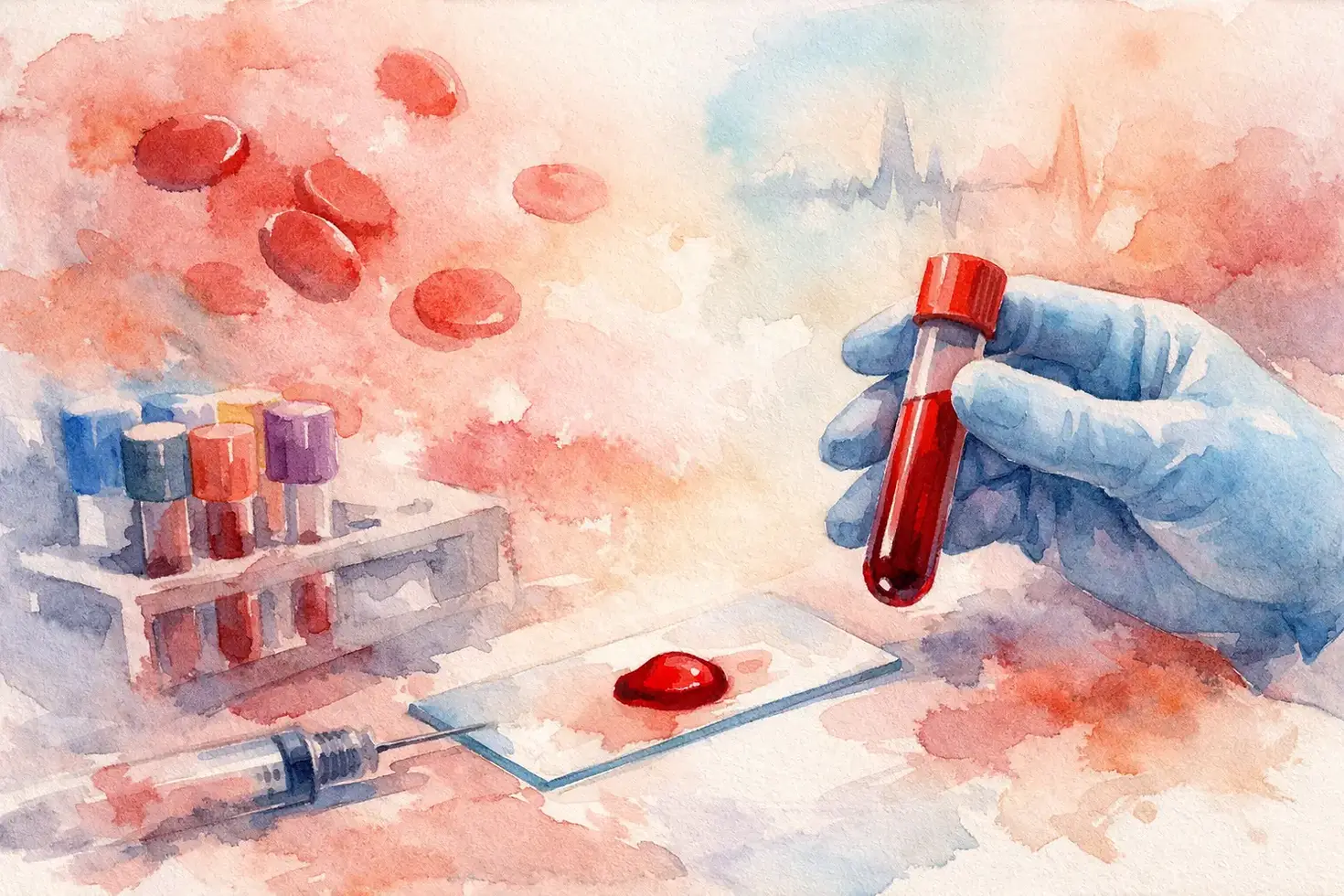
Same Day Blood Tests When You Need Answers
A blood test can feel like one more thing to arrange when you are already worried, unwell or short on time. Same day blood tests offer a practical way to move things forward: speak to a clinician, have the sample taken promptly and understand the next step without an unnecessary wait.
For many people, the value is not simply speed. It is being able to discuss symptoms properly, ask questions and receive care that fits around work, family and everyday life. At a private clinic, a blood test can form part of a broader consultation rather than feeling like an isolated task.
What are same day blood tests?
Same day blood tests usually mean that an appointment and blood sample can be arranged on the day you contact the clinic, subject to appointment availability and the test required. In some cases, selected results may also be available later that day. More often, the sample is taken promptly and sent to an accredited laboratory, with results returning over the following days.
It is worth separating these two timings. Same-day sampling is often possible; same-day results depend on the specific test, the laboratory processing time and when the sample is collected. Specialist tests can take longer, while routine tests may be returned relatively quickly. A good clinician will explain what is realistic before the blood is taken, rather than making promises that cannot be kept.
Blood tests are used to investigate symptoms, monitor existing conditions and check how treatments are working. They can also be part of a health check-up, a menopause review, weight-management care or preparation for certain procedures.
When prompt testing can be helpful
There are many situations where waiting for a routine appointment feels difficult. Perhaps you have persistent tiredness that is affecting work, repeated dizziness, unexplained weight change or symptoms of infection. You may be managing thyroid disease, diabetes, anaemia or raised cholesterol and need up-to-date results to guide a review.
Blood tests can also be useful where symptoms are less clear-cut. Changes in mood, sleep, periods, energy levels or joint pain may have several possible causes. Testing will not always provide one simple answer, but it can help a clinician build a clearer picture alongside your medical history, examination and, where appropriate, other investigations.
For parents, carers and busy professionals, the ability to arrange testing quickly can reduce the practical strain as well as the uncertainty. An appointment outside the usual working week may be particularly helpful when taking time off is not straightforward.
That said, urgent testing is not a substitute for emergency care. Chest pain, severe breathing difficulty, signs of a stroke, heavy bleeding, loss of consciousness or sudden severe illness need immediate assessment through emergency services. If you are unsure how serious a symptom may be, seek medical advice promptly.
Which tests might be arranged?
The right blood tests depend on your symptoms, health history, medicines and the clinical question being asked. Ordering every possible test is rarely the best approach. It can create unclear findings that cause worry and may lead to further tests that are not needed.
A clinician may discuss routine tests such as a full blood count, kidney and liver function, blood glucose, cholesterol, iron studies, vitamin levels or thyroid function. Depending on your circumstances, they may also recommend tests relating to inflammation, hormones, infection or medication monitoring.
For example, tiredness may lead to a discussion about iron deficiency, thyroid function, vitamin B12, folate, sleep, stress and diet. In someone with hot flushes or changes in periods, the conversation may include menopause, but hormone testing is not always necessary or useful. Your age, symptoms, contraceptive use and medical history all matter.
The aim should be targeted testing with a clear reason behind it. This is where a consultation adds value: you are not left to choose tests from a long list without knowing what the results could mean.
How to prepare for a blood test
Most blood tests do not require special preparation. However, some tests may require fasting, meaning that you should not eat for a stated period beforehand. You can usually drink water, but follow the individual instructions given by the clinic. Fasting when it is not required is inconvenient, and failing to fast when it is required can affect interpretation.
When you book, mention any regular medicines, supplements, recent illness and pregnancy, if relevant. Some supplements, particularly biotin, can interfere with certain laboratory tests. Do not stop prescribed medicines unless a clinician specifically advises you to do so.
Wear clothing with sleeves that can be rolled up easily. If you tend to feel faint around needles, say so before the appointment. The team can help you feel more comfortable, allow you to lie down if needed and give you time afterwards before you leave.
What happens at the appointment?
The appointment should begin with a focused conversation about why testing is being considered. This may include when your symptoms started, whether they are changing, your past medical history, family history and any treatment you have already tried. If appropriate, the clinician may check observations such as blood pressure, pulse, temperature or oxygen levels.
Taking the sample itself is usually quick. A trained clinician uses a small needle to collect blood from a vein in your arm. You may feel a brief scratch or pinch. Afterwards, pressure is applied and a small dressing is placed over the site. Mild bruising can happen, but it normally settles without treatment.
If you are coming to Dunmow Private Medical Clinic or Cambridge Private Medical Clinic for testing, the focus is on making the experience fast, friendly and personal. You should leave knowing what has been tested, when results are expected and how you will be contacted.
Understanding your results
A result marked outside a laboratory reference range does not automatically mean that something is wrong. Ranges are based on large groups of people, and results can be affected by age, sex, medicines, hydration, exercise, illness and the time of day. Equally, a result within range does not always rule out a health issue if symptoms continue.
This is why results need to be interpreted in context. A clinician may reassure you that no action is needed, recommend lifestyle changes, arrange a repeat test, prescribe treatment or refer you for further assessment. Occasionally, a result needs quicker follow-up. Clear communication matters here: you should understand both what the result shows and what it does not show.
Do not be tempted to diagnose yourself from a number alone. Online reference ranges can be confusing, especially when different laboratories use slightly different measurements. If a result worries you, ask for an explanation in plain English.
Choosing a service that offers more than a blood draw
Convenience matters, but it should not be the only consideration. When looking for same day blood tests, check whether you can speak with a qualified clinician before testing, whether the test is appropriate for your situation and how results will be reviewed. Ask about expected turnaround times, costs, any fasting requirements and what happens if follow-up is needed.
A service that can arrange treatment, prescriptions, referrals or further investigations where appropriate can save time later. It also provides continuity. The clinician reviewing your results should understand why the tests were requested in the first place.
If you have been putting off a health concern because arranging care feels difficult, a prompt blood test appointment can be a sensible first step. The most helpful result is not merely a report in your inbox, but a clear plan and someone who takes the time to help you act on it.


Comments